



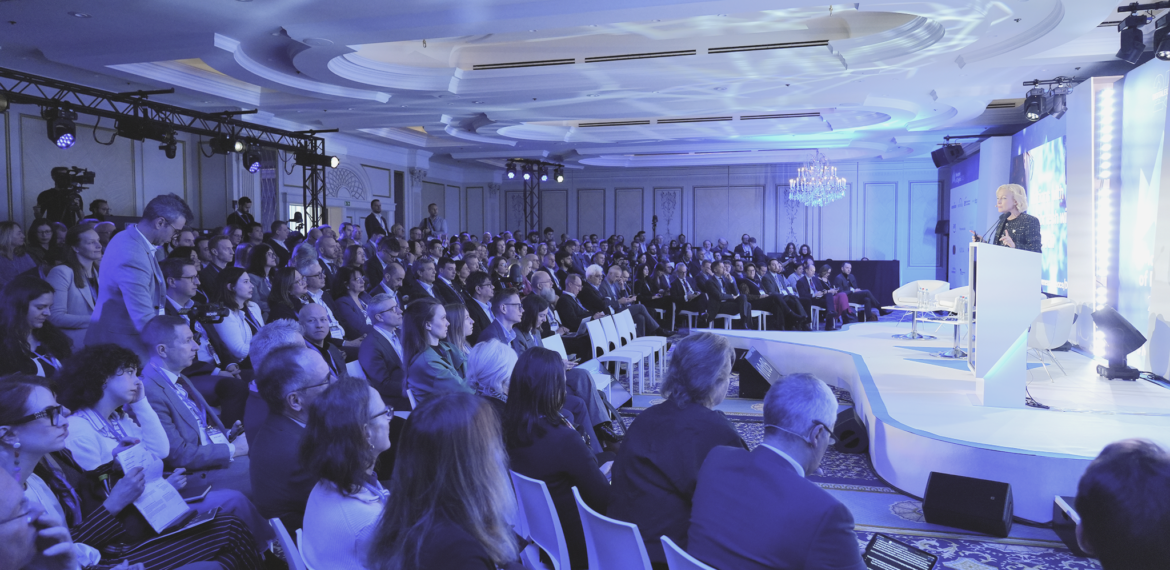
AAVIT’s Digital Delegation in Brussels
AAVIT’s Digital Delegation in Brussels
On the 19th and 20th of February we represented AAVIT members through our director Jaromír Hanzal at a series of events organized by the association DIGITALEUROPE, of which Jaromír is a board member.
The first stop was the DIGITALEUROPE-NATO Joint Innovation Event: Shaping the Future of Digital Defence – Harnessing Innovation to Strengthen NATO’s Strategic Edge. The topic of security and sufficient qualitative and quantitative capabilities to achieve it has been emphasised by many of us for a long time, but it took the shock treatment of the re-installment of the re-elected US President to make it a top priority in European political discourse.
Digital technologies have an absolutely irreplaceable role in the defence sector. Whether it is military technology directly or ensuring the protection of critical infrastructure, digitalisation cuts across all layers of European security protection.
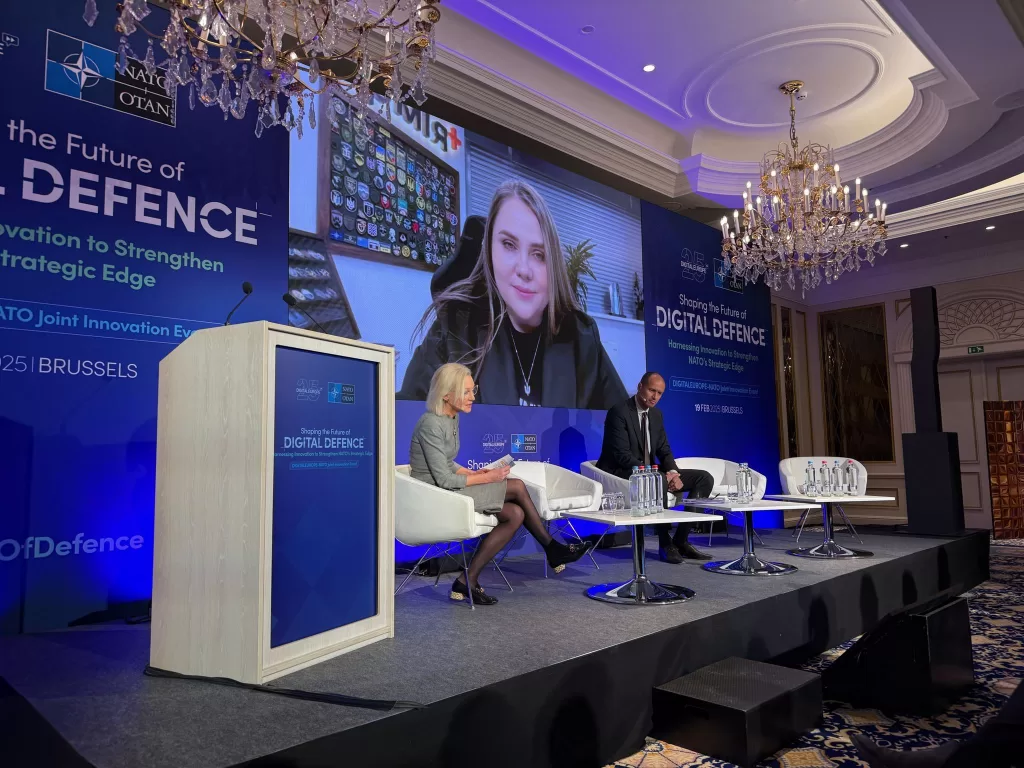
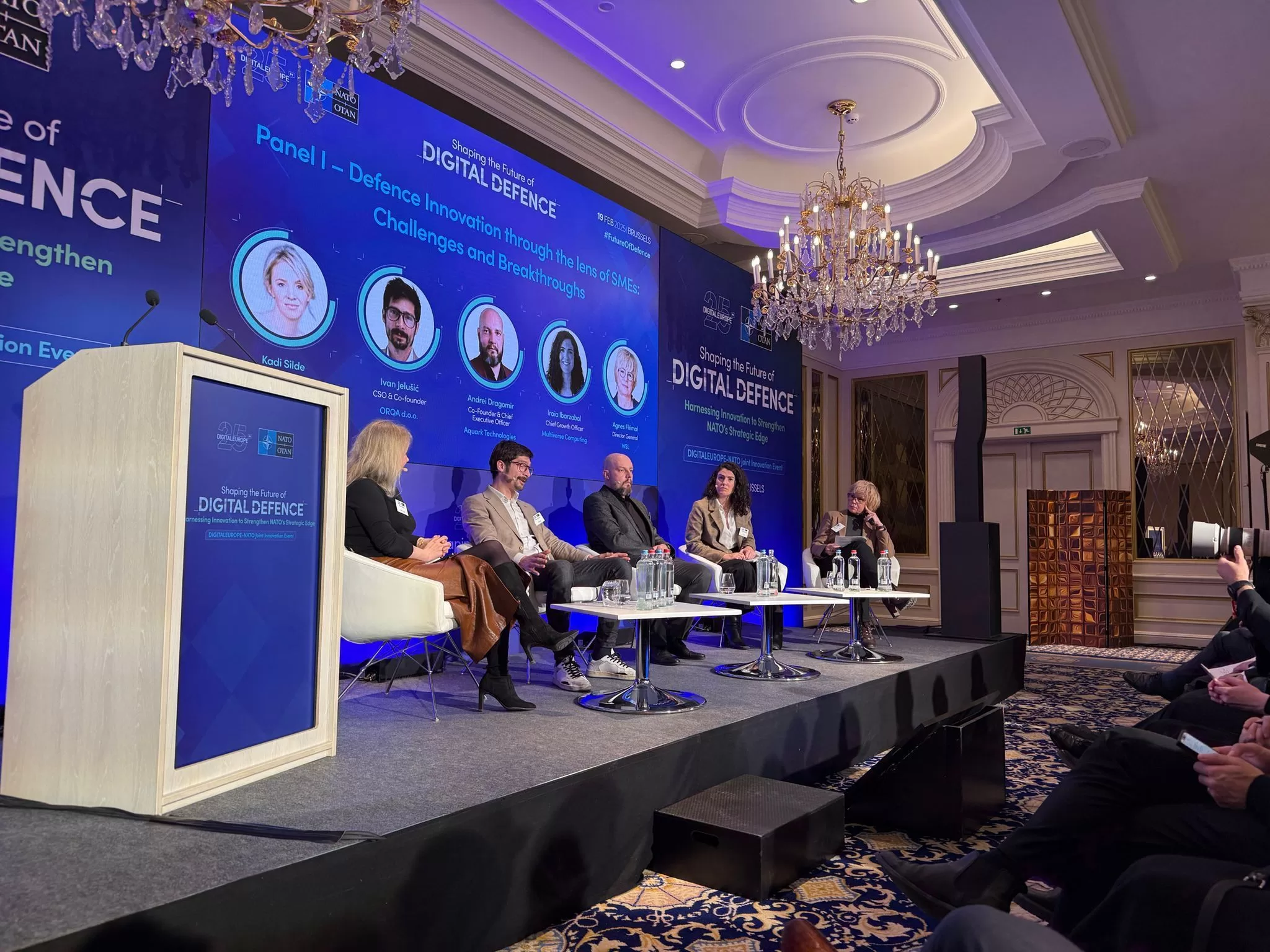
Europe must give maximum support to innovative dual-use start-ups and those focused purely on military technologies. It must break down barriers to the single market and systematically strengthen cooperation between the public and private sectors. Reducing red tape as much as possible and securing the necessary funding are key aspects.
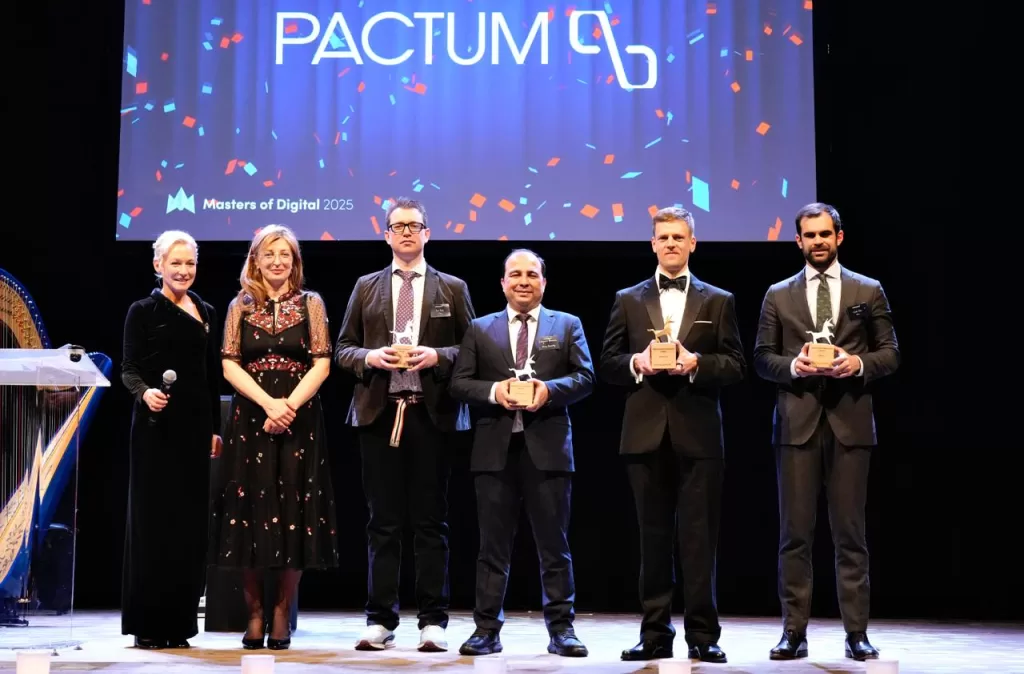
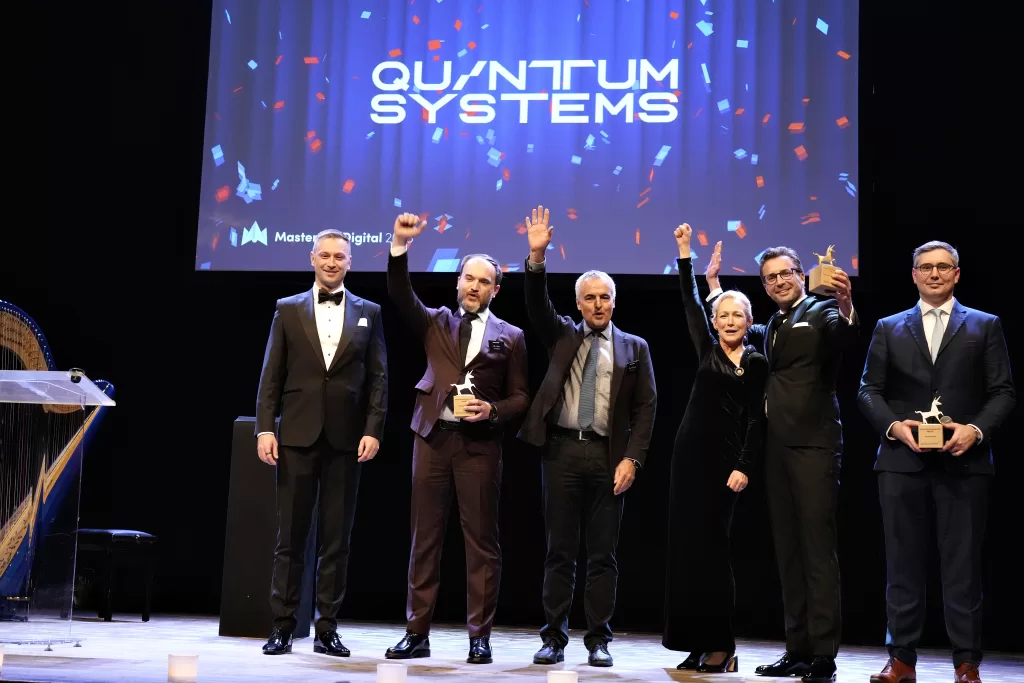
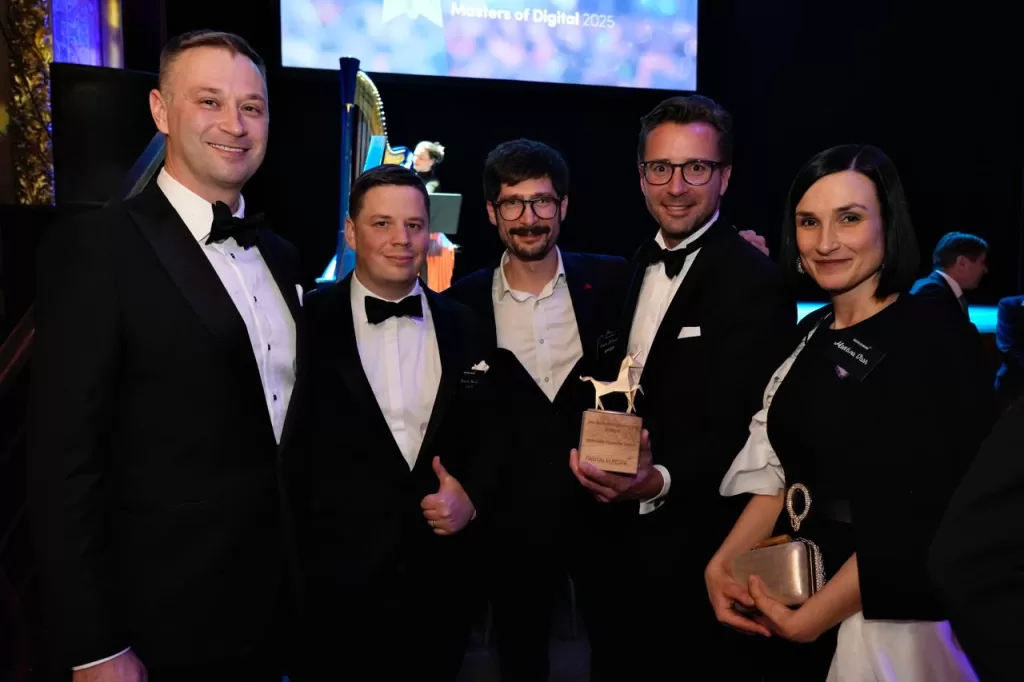
On the same day, the Future Unicorn Awards gala evening followed, where DIGITALEUROPE, as usual, honoured rocketing technology companies. The main category was won by Estonian start-up Pactum AI, which has developed AI platforms for easier administration of public procurement in companies. In the dual-use category, the German company Quantum Systems, which brings revolutionary solutions in the field of drones, won.
On the second day, the most important occasion of the mission took place in the form of the biggest event DIGITALEUROPE Masters of Digital. The theme of today’s conference was the EU and its lagging behind in innovation and competitiveness. It was no coincidence that this year’s Master of Digital award was received by former Italian Prime Minister Enrico Letta, whose report on the dire state of the EU’s single market and the barriers that exist is, together with the Draghi report, one of the foundational analytical documents that named Europe’s economic lag.
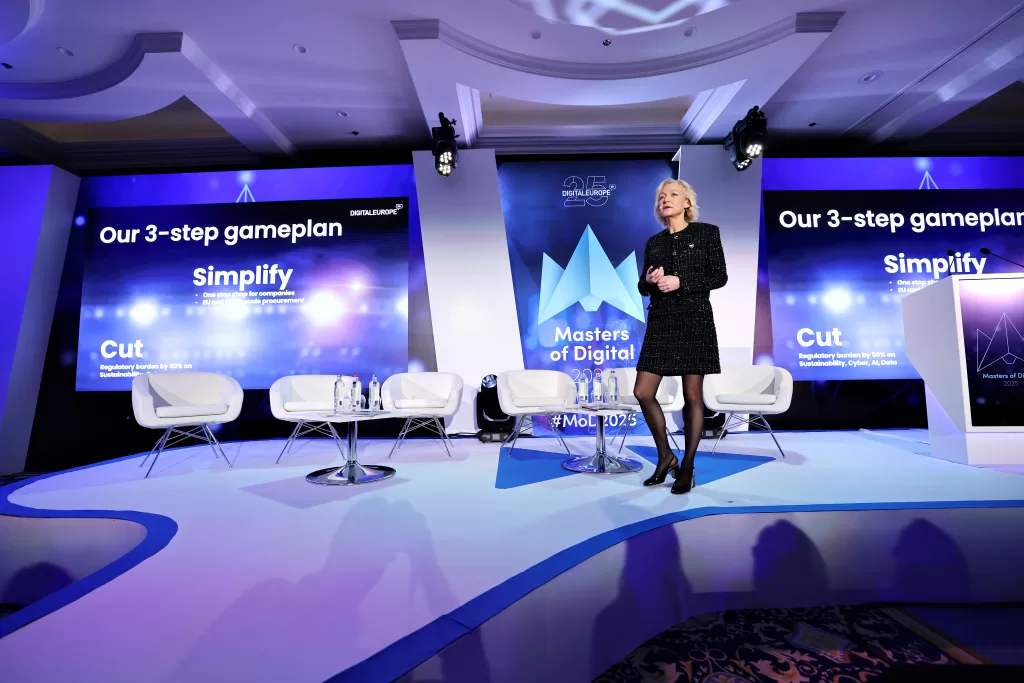
In her opening speech, DIGITALEUROPE Director Cecilia Bonefeld-Dahl proposed three key points that should help to address the situation:
✂️ Reducing the regulatory burden: we already have enough of it, let’s not only reduce it but also avoid adding more.
👌Simplify business: create a one-stop shop for businesses and build a pan-European procurement system.
📈 Create incentives: we need large-scale funds dedicated to financing critical and dual-use technologies. Let us earmark 25% of the EU budget for this purpose.
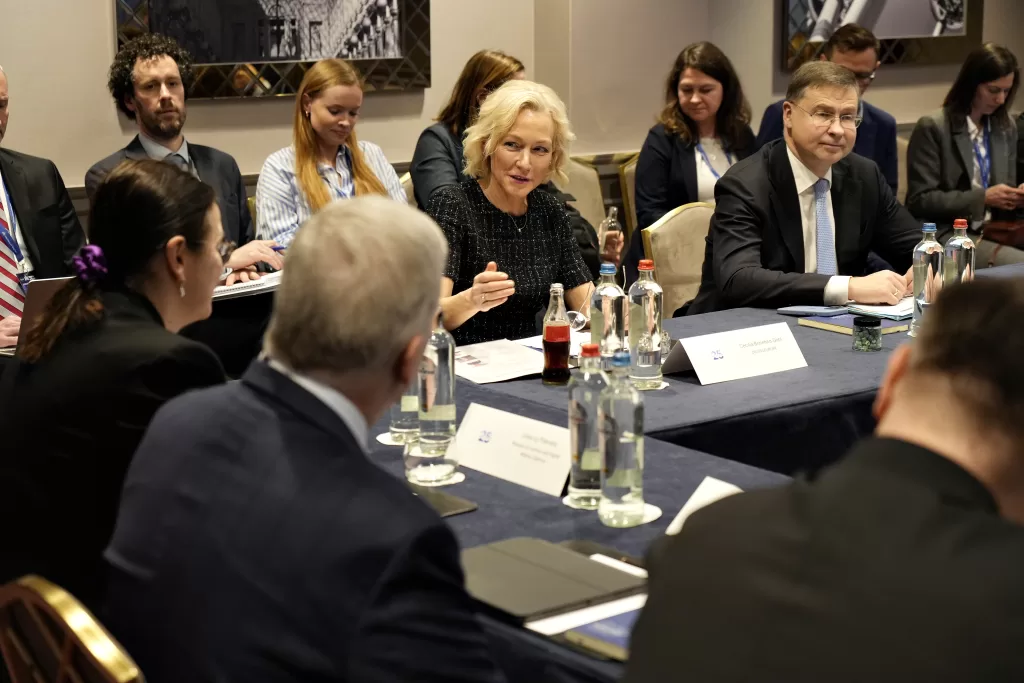
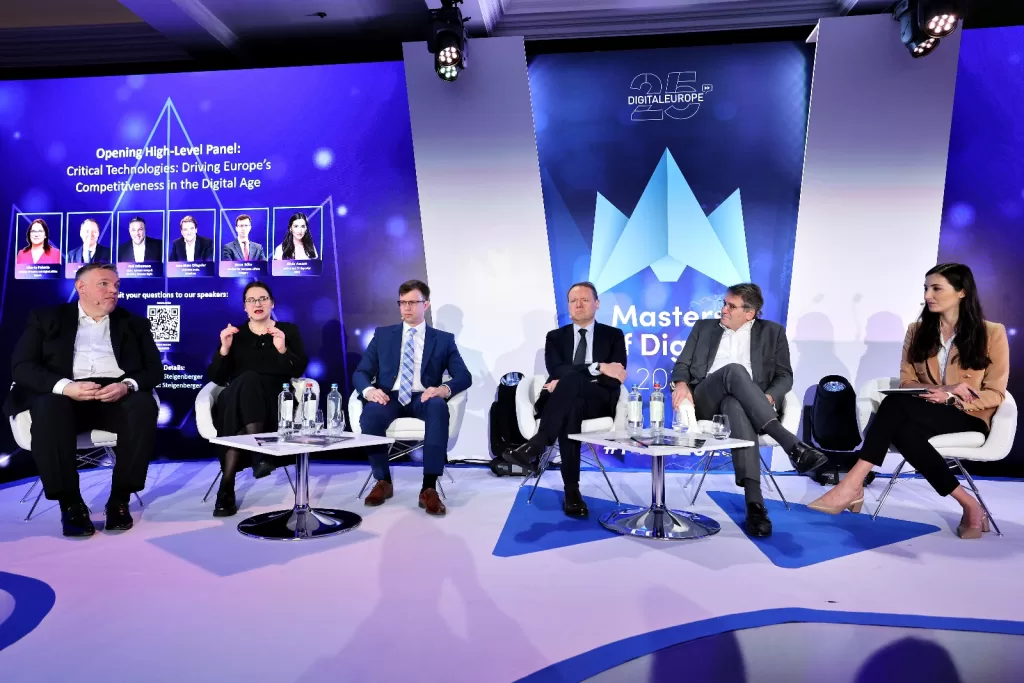
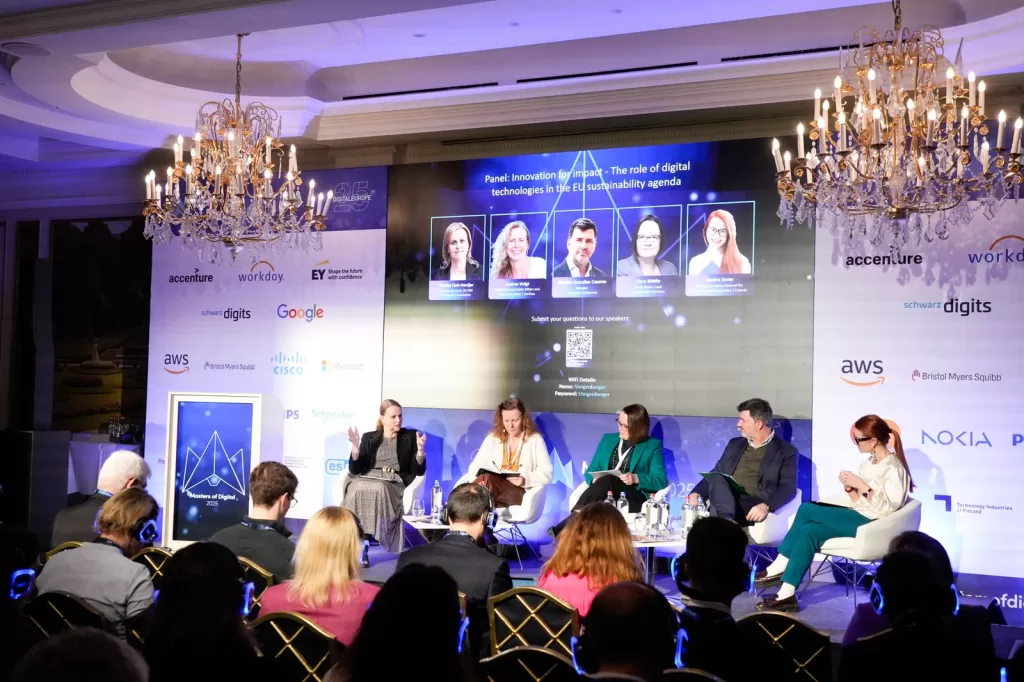

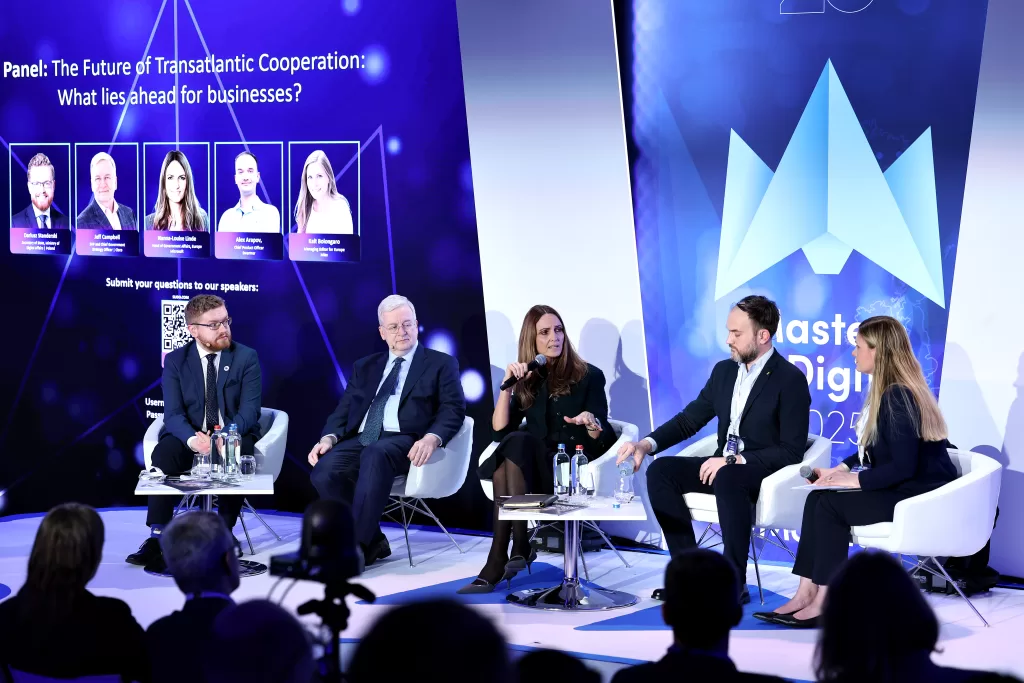
EU Economy Commissioner Valdis Dombrovskis has expressed the European Commission’s ambition to reduce spending on administrative burdens 🏋 for companies, which today have been estimated at around €150 billion a year in the EU, by €37.5 billion and to give even more relief to small and medium-sized enterprises. We would have welcomed more ambitious targets, but it is to be appreciated that the Commission is at least coming up with a specific plan and recognising the severity of the problem.
The next 2-4 years or so will determine whether Europe will be able to do something about its innovation gap, which will sooner or later translate into an economic gap. Never in the history of the European project have the problems been described with such clarity and urgency as in the last year. If even a wake-up call this loud is not enough and therefore the trend is not reversed, we face a difficult future.