



EU’s Next Financial Framework: A turning Point for Digital Europe
EU’s Next Financial Framework: A turning Point for Digital Europe
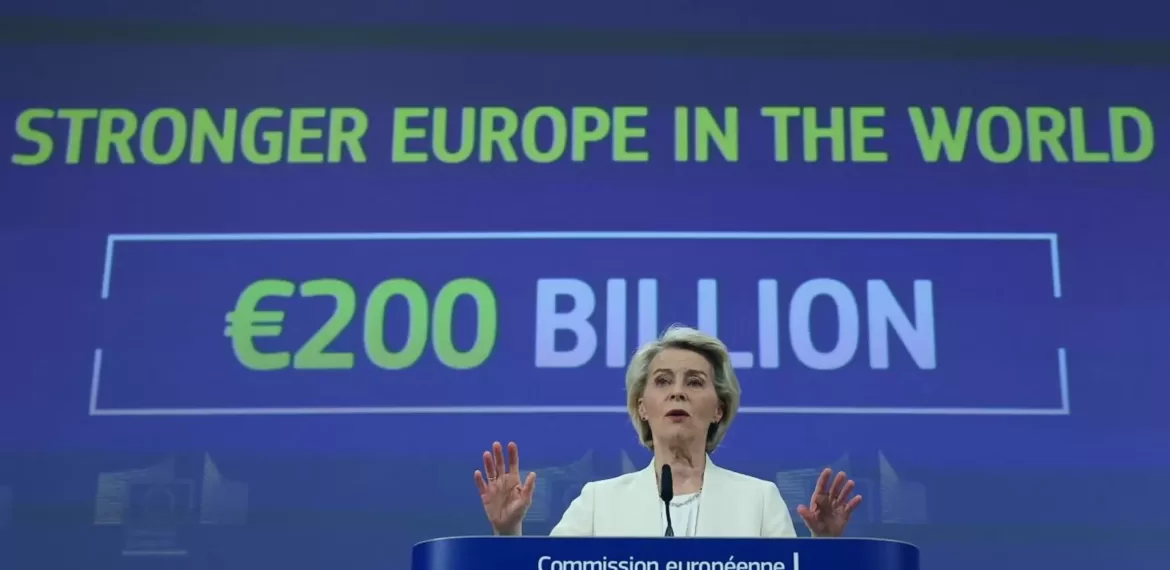
The new Multiannual Financial Framework (MFF) for 2028 – 2035, presented on 16 July 2025 by Ursula von der Leyen, outlines the future direction of European priorities and public funding instruments.
Over the next two years, discussions on its final shape will intensify – debates that are already underway today. AAVIT has been actively involved in these discussions in Czechia from the very beginning and will continue to play its role. The outcome will fundamentally shape how the European Union supports innovative businesses, builds the digital economy, and strengthens both competitiveness and defence capabilities across Europe.
European Competitiveness Fund as a new pillar of investment
As previously announced, a new instrument – the European Competitiveness Fund – will be established, focusing on four core areas:
- digital transition
- healthcare, biotechnology, agriculture, and the bioeconomy
- defence and space
- clean transition and decarbonisation.
At the same time, the EU’s framework programme for research and innovation will continue, with Horizon Europe remaining its flagship. Its budget is expected to nearly double compared to the current programming period, reaching €175 billion. The ambition is clear: to fund cutting-edge innovation – ideally with strong real-world application.
AAVIT’s position
From AAVIT’s perspective, several key principles should guide the future MFF:
1. Stronger investment in digitalisation
In line with DIGITALEUROPE, we advocate for allocating 25% of the total MFF budget to digital initiatives – across all funding instruments, not only those focused on research and development. Notably, all four priority areas of the European Competitiveness Fund are inherently linked to digitalisation.
2. A competitive and innovation-driven cohesion policy
Cohesion policy should ensure that Member States have sufficient funding within their national envelopes to support competitiveness, research, development, and innovation – primarily through non-repayable funding. This must remain a clear priority.
3. Broad accessibility across regions
Cohesion instruments should be accessible to companies across a wide range of regions, not limited to structurally disadvantaged areas. All Czech regions – except Prague – are below the EU average in economic performance. Supporting innovation across the country will generate spillover effects that also benefit less developed regions.
What comes next
The discussions ahead will unfold on two levels. The first is the creation of the legislative framework at the EU level. The second is its concrete implementation in Czechia, within the parameters set by the EU.
The European Parliament and all Member States will play an active role in shaping the final outcome.
AAVIT will continue to engage across all levels of this debate – actively advocating for the interests of the digital sector and innovative businesses.